
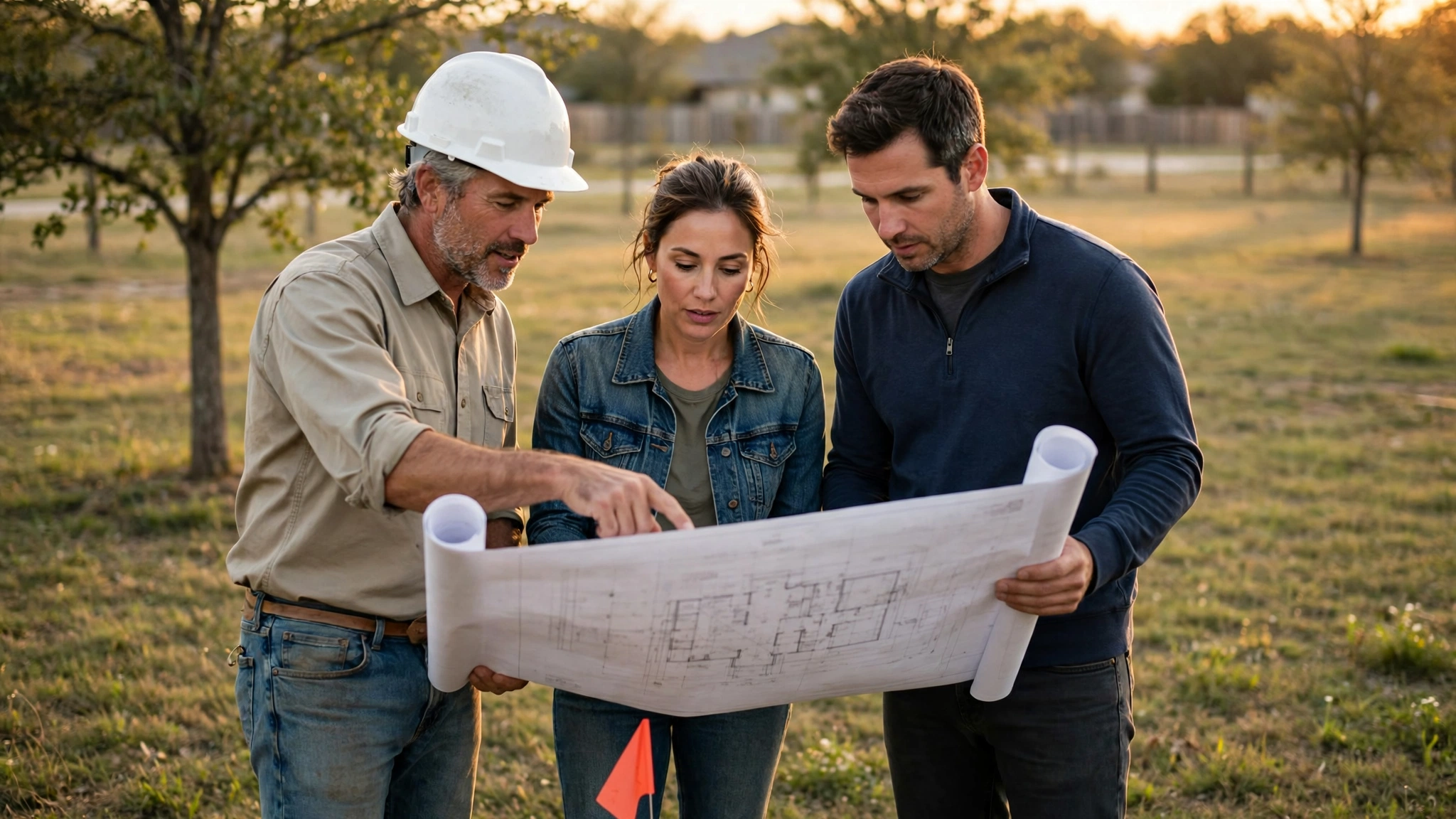
You have two or three names from friends, your realtor, or an Instagram scroll. One builder caught your eye with sharp photos of finished homes. Another mentioned a bid that fits your budget. Now you feel the pull to pick one and break ground. Hold that thought. A charming meeting and a low number are not due diligence. What matters is fit. Communication. How the builder runs the job when rain delays the foundation or a supplier drops the ball.
I'm Duane Holloway. With 35 years in residential and commercial construction as COO of Visten Construction Group, I've seen projects soar and stumble. Through Straight from the Slab, my construction education company, I teach owners like you to ask the right questions. This article gives you a practical interview process. Run it before any contract lands on your table. Compare builders on how they actually work, not just what they promise.
Why Interviews Beat Gut Feel When Vetting a Contractor
A strong craftsman shines on tract homes or remodels. That does not mean they match your custom project. This lot. This budget. Your need for clear updates every Friday. Gut feel picks on personality. Interviews reveal the operation. The alternative? You hire the smooth talker. Then discover the superintendent ghosts you during punch list. Or extras pile up without explanation.
Custom homes demand partnership. Builders who welcome questions show how they communicate for the year ahead. Vague answers? Walk away. Clear processes protect both sides. You avoid surprises. They avoid scope creep disputes. Think of it as test-driving the relationship before the long haul.
Your Due Diligence Sequence: Questions to Ask a Custom Home Builder
Follow this sequence before signing. Start with basics. Move to specifics. Take notes. Compare answers across builders. Verify licensing, insurance, and local requirements yourself with state boards or your attorney. Rules vary nationwide. This is education, not advice.
Confirm the Contracting Entity, On-Site Lead, and Decision Makers
Ask: Who is the legal contracting entity? Who is on site daily? Who has authority to answer my questions during the build?
Why it matters: You sign with one company. Then a subcontractor shows up claiming authority. Or the owner defers every call to a distant office. Clarity prevents finger-pointing when issues arise.
Useful answer: Names the LLC or corporation. Introduces the superintendent by name and lets you meet them. Explains the communication tree: owner to super to you, with weekly calls or app updates. Vague answer: "We handle it." Or shifts to "Trust us."
Request Similar Completed Custom Homes
Ask: Can you show me two or three recent custom homes like mine in size, style, and lot challenges? May I walk them or review plans with owner permission?
Why it matters: Past custom work proves they handle one-off designs, not just repeats. Visit to spot craft details: window flashing, deck attachments, interior flow. Permission shows respect for clients.
Useful answer: Provides addresses, phone numbers for owners, and schedules walkthroughs. Points out features matching your vision. Vague answer: Stock photos or remodels only. No access offered.
Call Recent Clients with Targeted Questions
Ask: Who are your last three custom clients? What questions should I ask them?
Then call. Focus on: Did the builder explain extras in writing before charging? Did the superintendent stay consistent on site? How were delays handled—communication, costs, adjustments?
Why it matters: References reveal real job runs. Builders pick cheerleaders. Your questions dig deeper into operations.
Useful answer: Hands over contacts eagerly. Suggests questions like those above. Vague answer: "They're all happy." No numbers provided.
Probe Allowances and Selections
Ask: How do you set allowances? What happens when a selection exceeds it?
Why it matters: Allowances cover unknowns like tile or fixtures. Poor setup leads to budget shocks at selection time.
Useful answer: Bases on current market prices for your quality level. Details process: credit if under, change order if over, with receipts. Vague answer: "We figure it out later." No specifics on process.
Understand Change Orders
Ask: How are change orders priced, timed, and approved?
Why it matters: Changes happen. Clear rules keep costs and schedule in check. No surprises mid-build.
Useful answer: Written request from you. A written estimate that includes cost, labor, and schedule impact, sent before the extra work starts. You approve in writing before work starts. Vague answer: "We add it to the bill." Or verbal OKs suffice.
Check Draw Schedule Practices
Ask: How do you schedule draws, against completed work or calendar dates?
Why it matters: Draws fund progress. Tied to milestones, not time, aligns incentives. Protects your money if delays hit.
Useful answer: Draws after inspections at slab, framing, etc. Lists milestones clearly. Vague answer: Monthly regardless of progress.
Meet Key Trades and Superintendent
Ask: Who are your key trades for framing, electrical, plumbing? Can I meet the superintendent before signing?
Why it matters: Subs do the work. Owner involvement early builds trust. Superintendent is your daily point person.
Useful answer: Names trades with years partnered. Sets up meet-and-greet. Vague answer: "Good guys." No intros.
If You Worry the Interview Will Offend the Builder
You worry about seeming pushy. "I don't want to interrogate the person building my house." Fair point. Frame questions as mutual protection. Serious owners ask to ensure smooth runs. Builders who bristle? They may dodge tough talks later. Those who engage show partnership ready. Picture the first delay. Clear processes mean solutions fast. Vague ones mean arguments.
Practice the questions. Note responses. A builder interview is your first project meeting. It sets the tone.
Do Not Sign Yet: Your Builder Vetting Checklist
- Contracting entity name confirmed.
- Two similar custom homes reviewed with permission.
- Recent client references called with your specific questions.
- Allowance and change order processes explained in writing.
- Superintendent identified and met.
Tick these. Then review the bid. That's your next step in hiring a custom builder.
Next: Spot Red Flags in the Bid
You've interviewed smart. Now read their proposal like a contract. Get my free “7 Bid Red Flags” guide by email. Enter your first name and email on the homepage at fromtheslabacademy.com/#free-guide. For more Straight from the Slab education, visit fromtheslabacademy.com.
Due diligence builds homes that last. And partnerships that respect your investment.
